

Efficacy & Benefits
How effective is Orofacial Myofunctional Therapy?
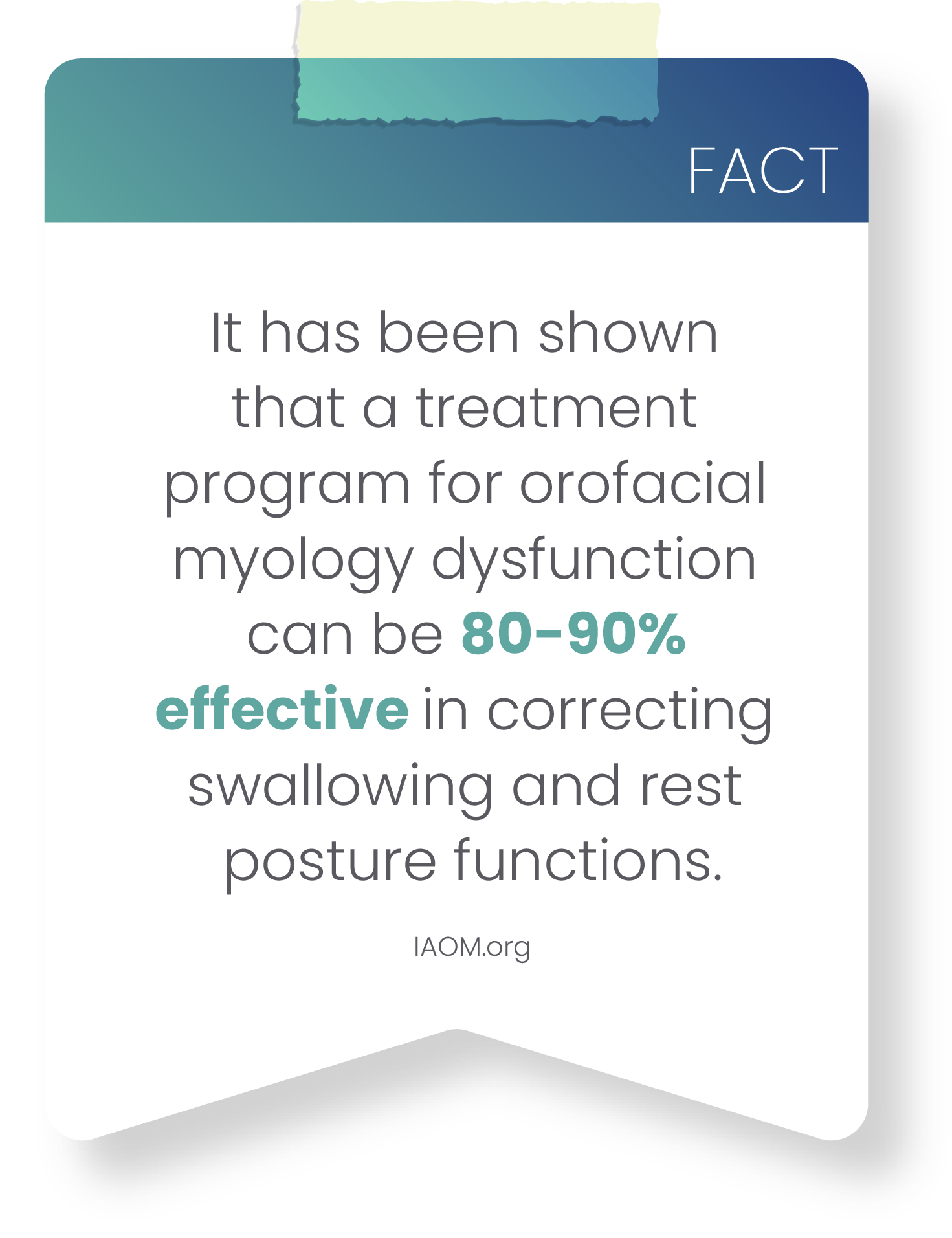
Several factors contribute to the success of our therapy program. A patient’s commitment, cooperation, and self-discipline are essential for achieving long-term results. With children that undergo therapy, active parental involvement and encouragement play a critical role. With the appropriate support, our treatment can have lasting improvements in patients' lives and overall health for years to come.
Benefits of Orofacial Myofunctional Therapy include:
Correcting and improving tongue and lip postures which can aid in the development of normal patterns of dental eruption and alignment.
Assisting in the stabilization of the teeth during and/or after orthodontic treatment or jaw surgery
Identifying the need and referring for speech therapy, supporting the remediation of speech errors, supporting and is collaborating with language pathologists to support their speech therapy goals.

Before & Afters
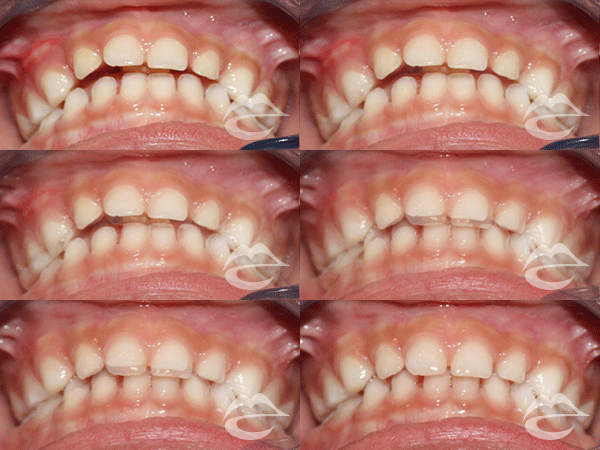
Thumb Sucking
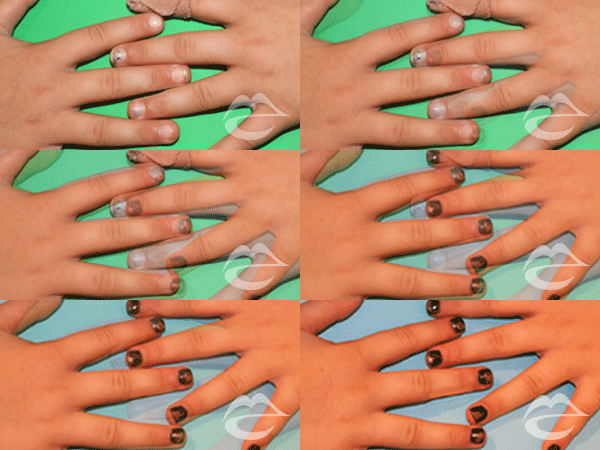
Nail Biting
Finger Sucking
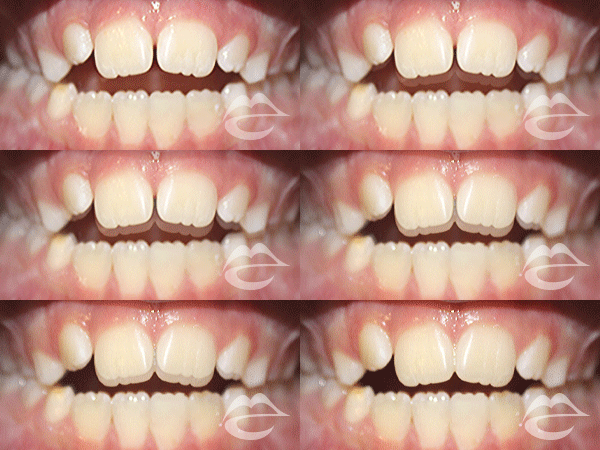
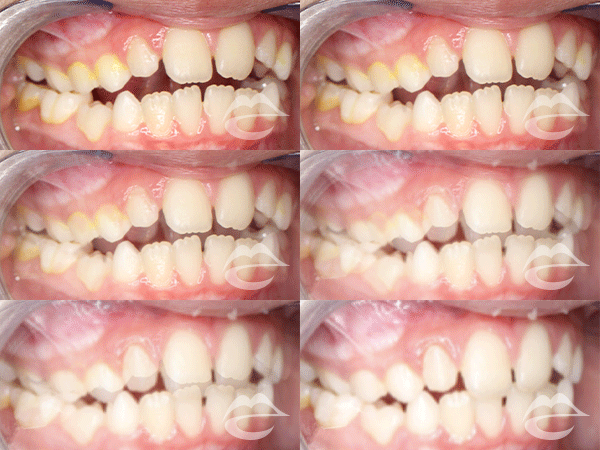
Results of OMT - Pre Orthodontics
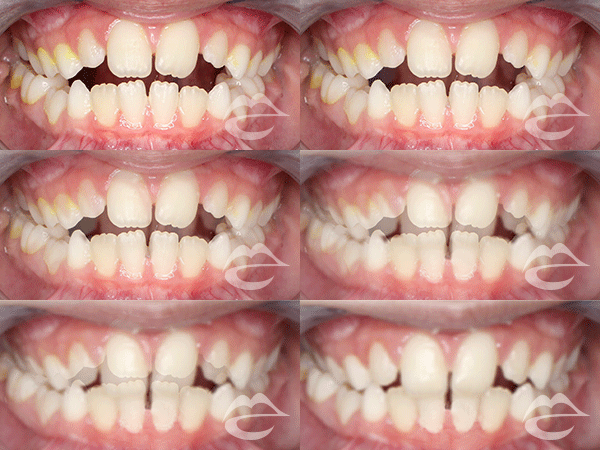
Relapse of Open Bite
Case Studies
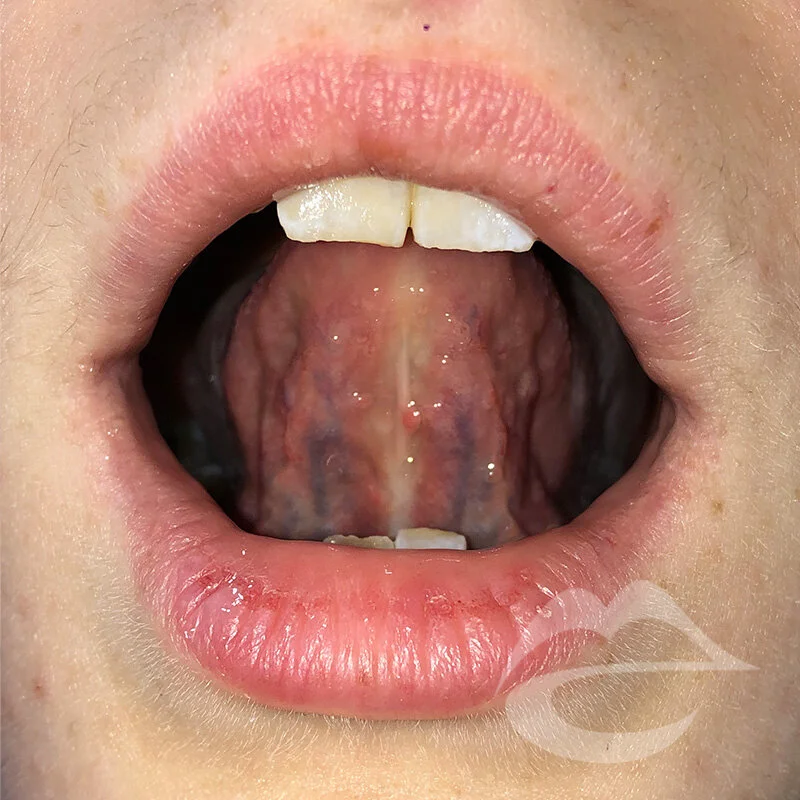
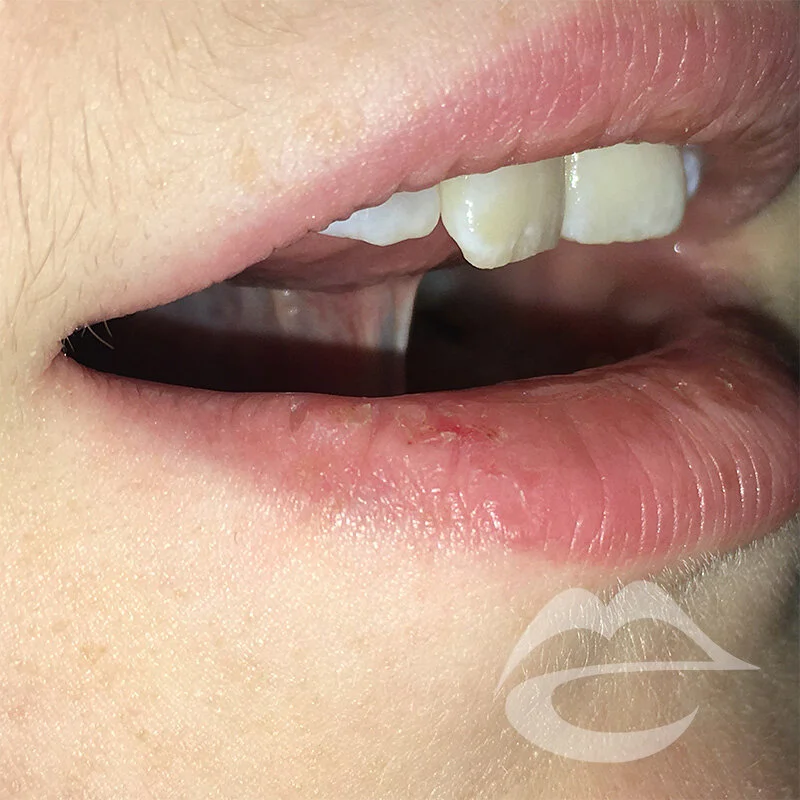
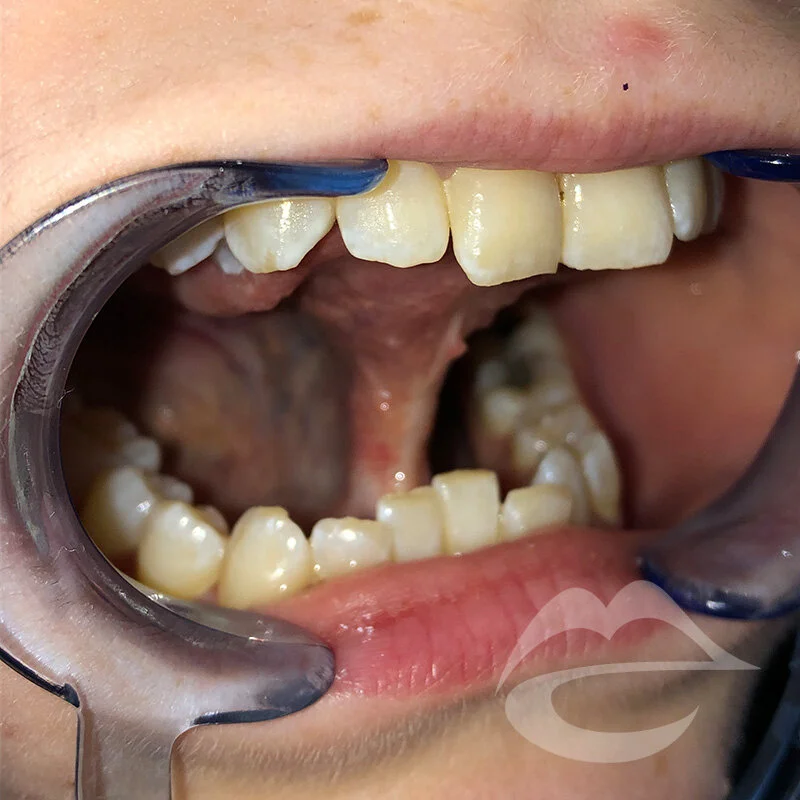
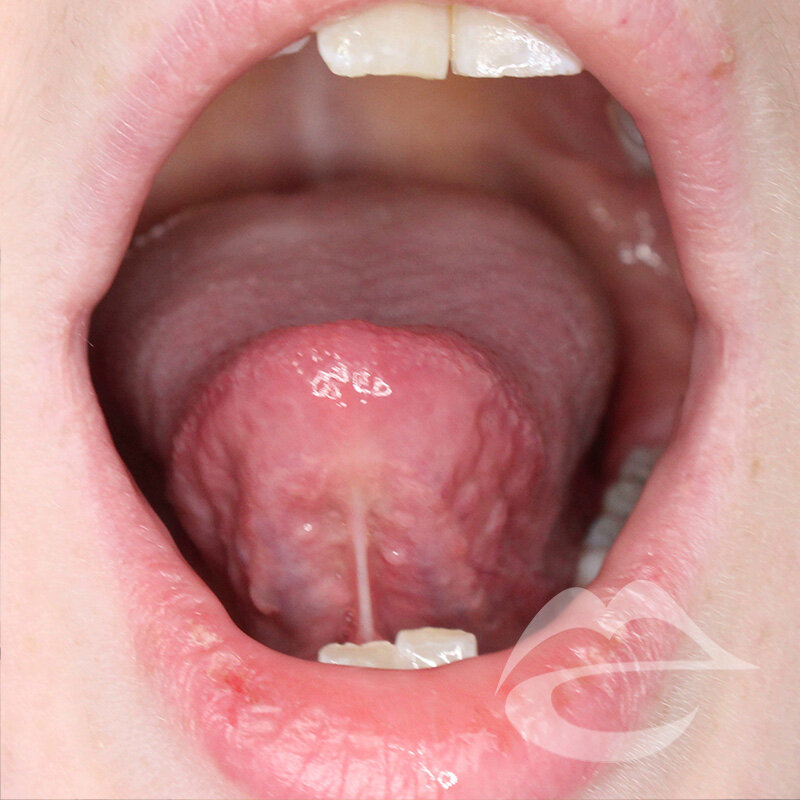
Case Study 1 - Tongue Tie Release
This is a 17-year-old female that presented with a lot of jaw shifting, popping, and limited opening. She had a forward head posture, a nail-biting habit, and upper body/neck tension. The release of the tethered oral tissue of the lingual frenum was the start of her achieving a full range of jaw motion and normal oral resting postures through a series of therapeutic techniques with other bodywork professionals to relieve her upper body strain as well.
Case Study 2 - OMT & Orthodontics
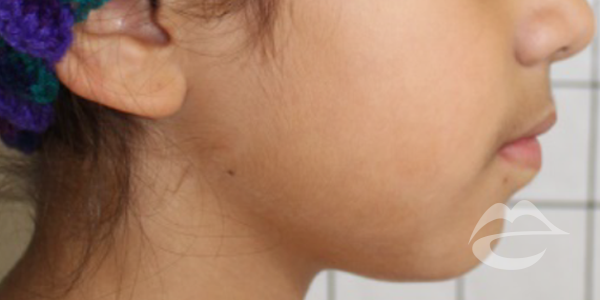
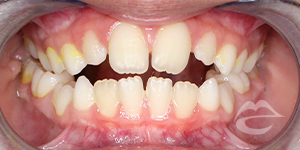
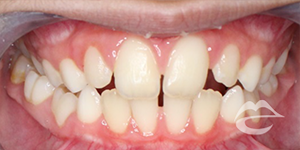
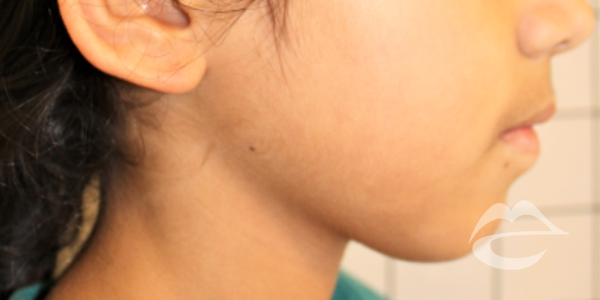
This is a 7-year-old girl presented with tongue/lip placement and swallowing pattern issues. She was referred by her orthodontist for myofunctional therapy before orthodontics to ensure stability after orthodontic treatment. Her dental bite was the result of allergies, low tongue posture, and pacifier use. Therapy consisted of several phases to ensure proper oral resting and swallowing patterns for long term habituation and stability of her orthodontic treatment.
Case Study 3 - Orthognathic Jaw Surgery
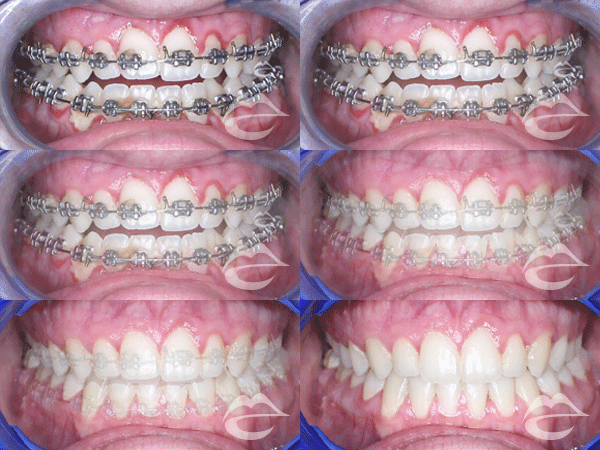
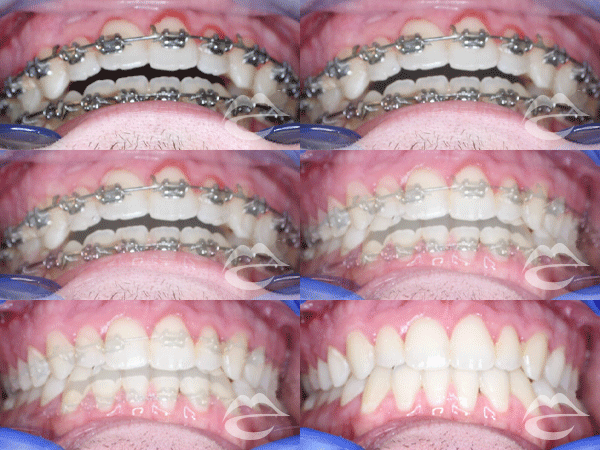
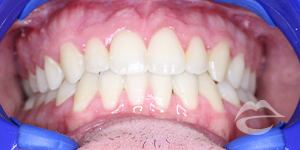
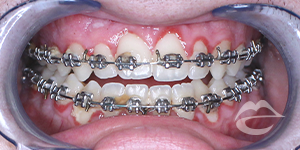
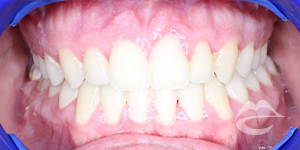
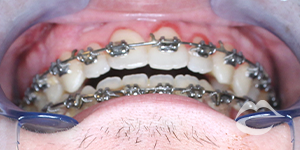
This 19-year-old patient was referred by his orthodontist for an open bite that occurred 2 weeks after his upper and lower jaw surgery. Following the surgery, his teeth were perfectly inline but his tongue thrust opened the space causing a relapse. He had a very low tongue posture and open mouth lip posture with a forward tongue swallow pattern. He was able to correct his tongue and lip postures along with correcting his swallow pattern ensuring long-lasting stability of his orthodontic and surgical interventions.
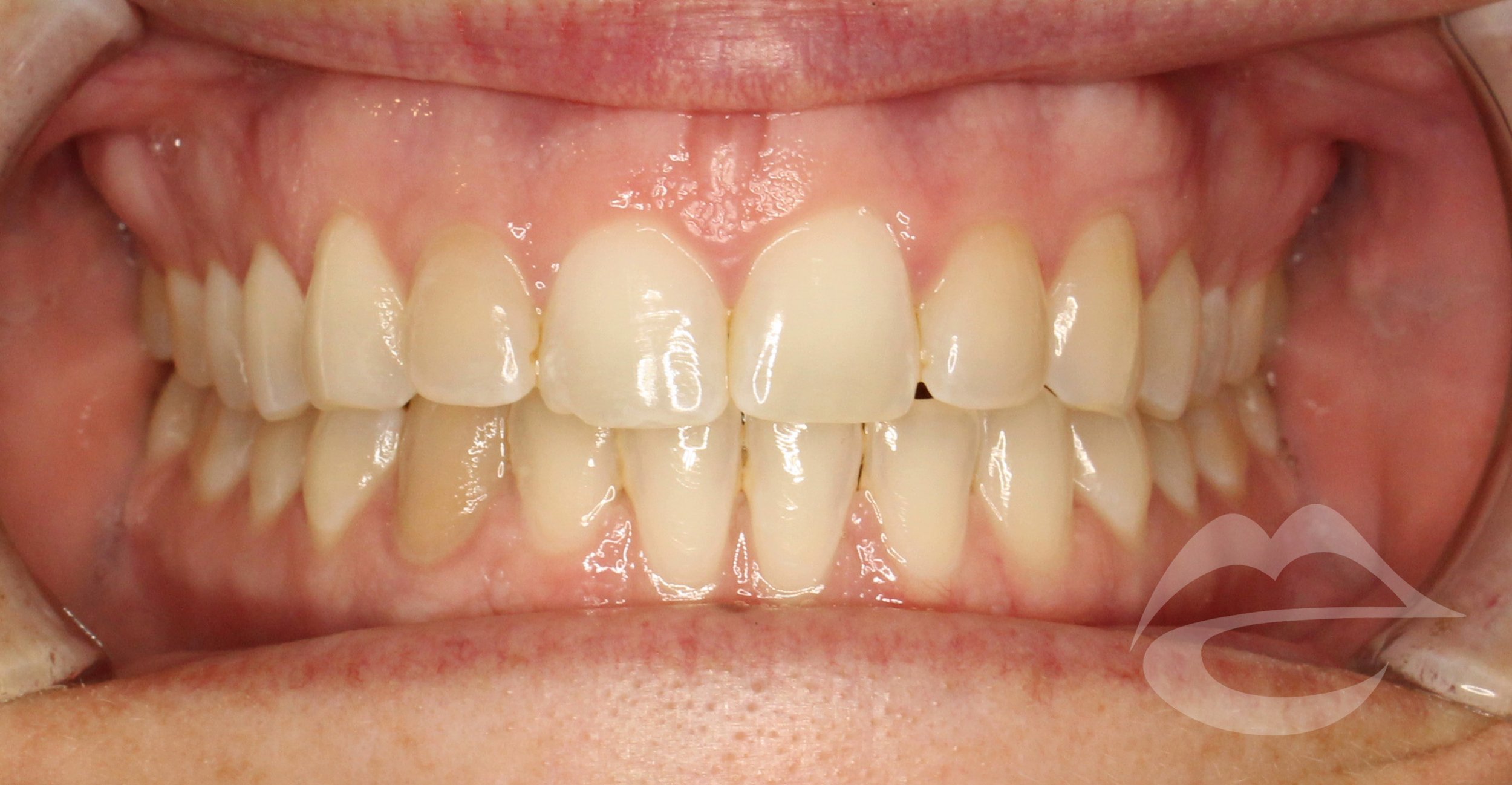
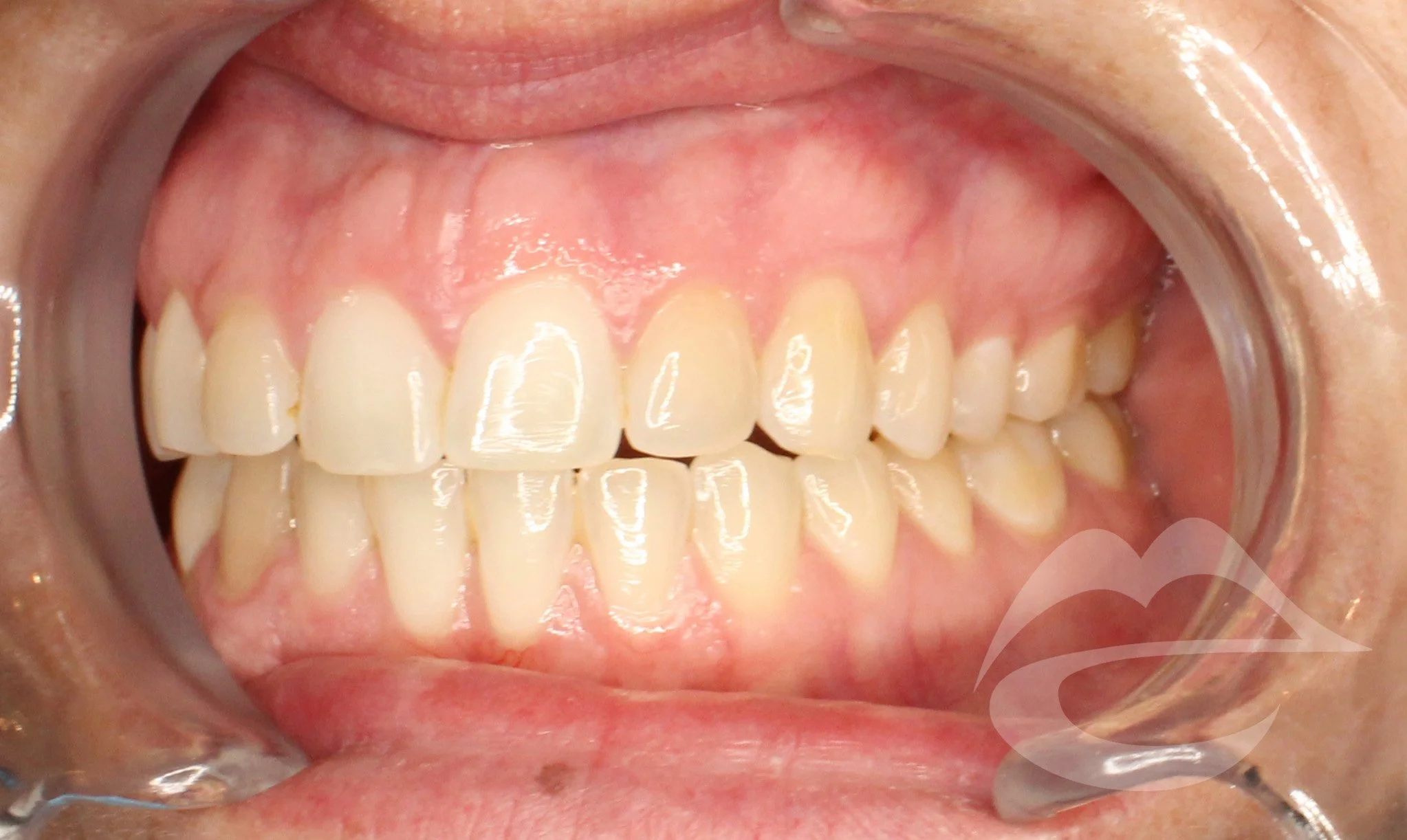
Case Study 4 - OMT & Airway Support
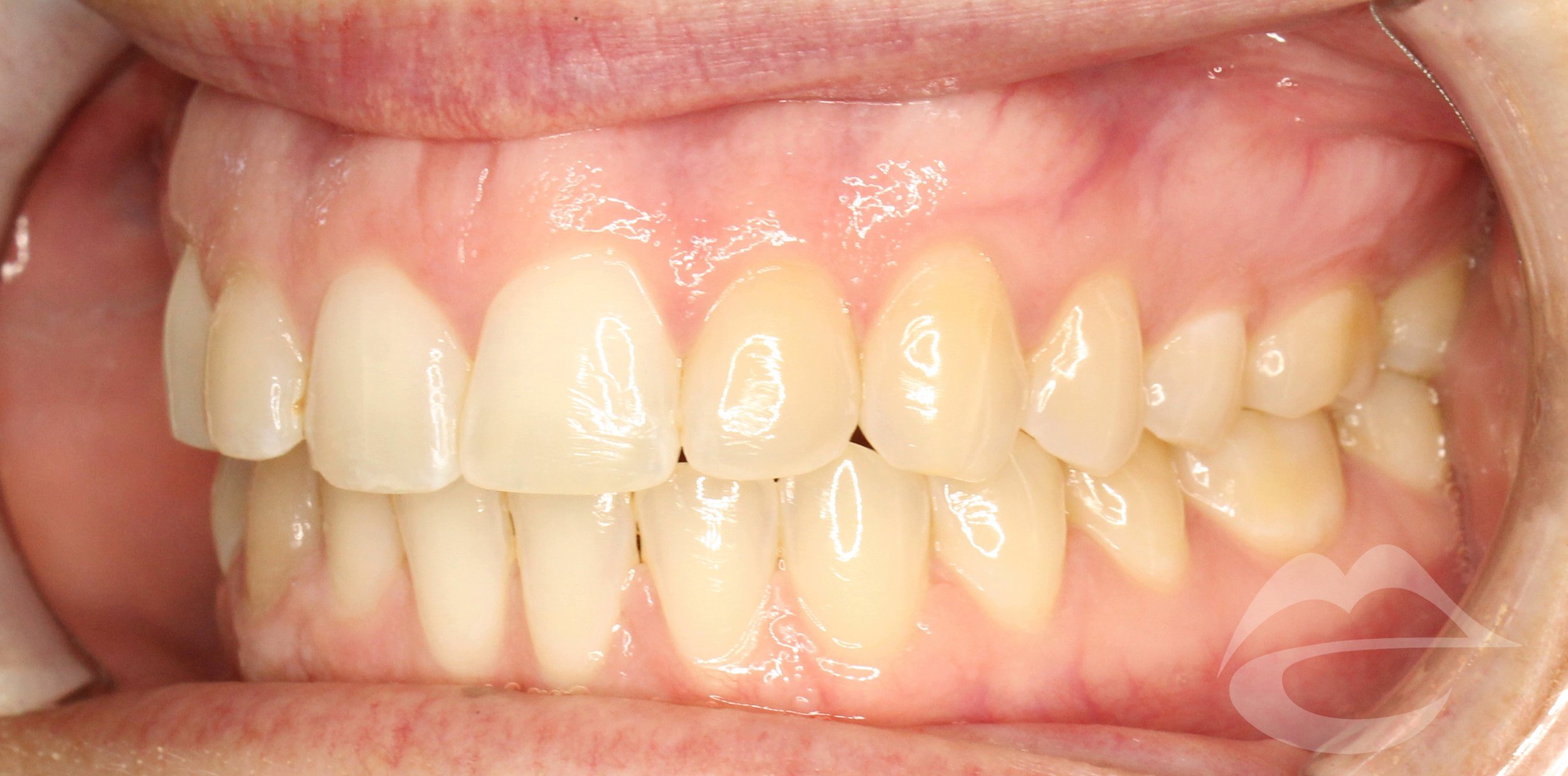
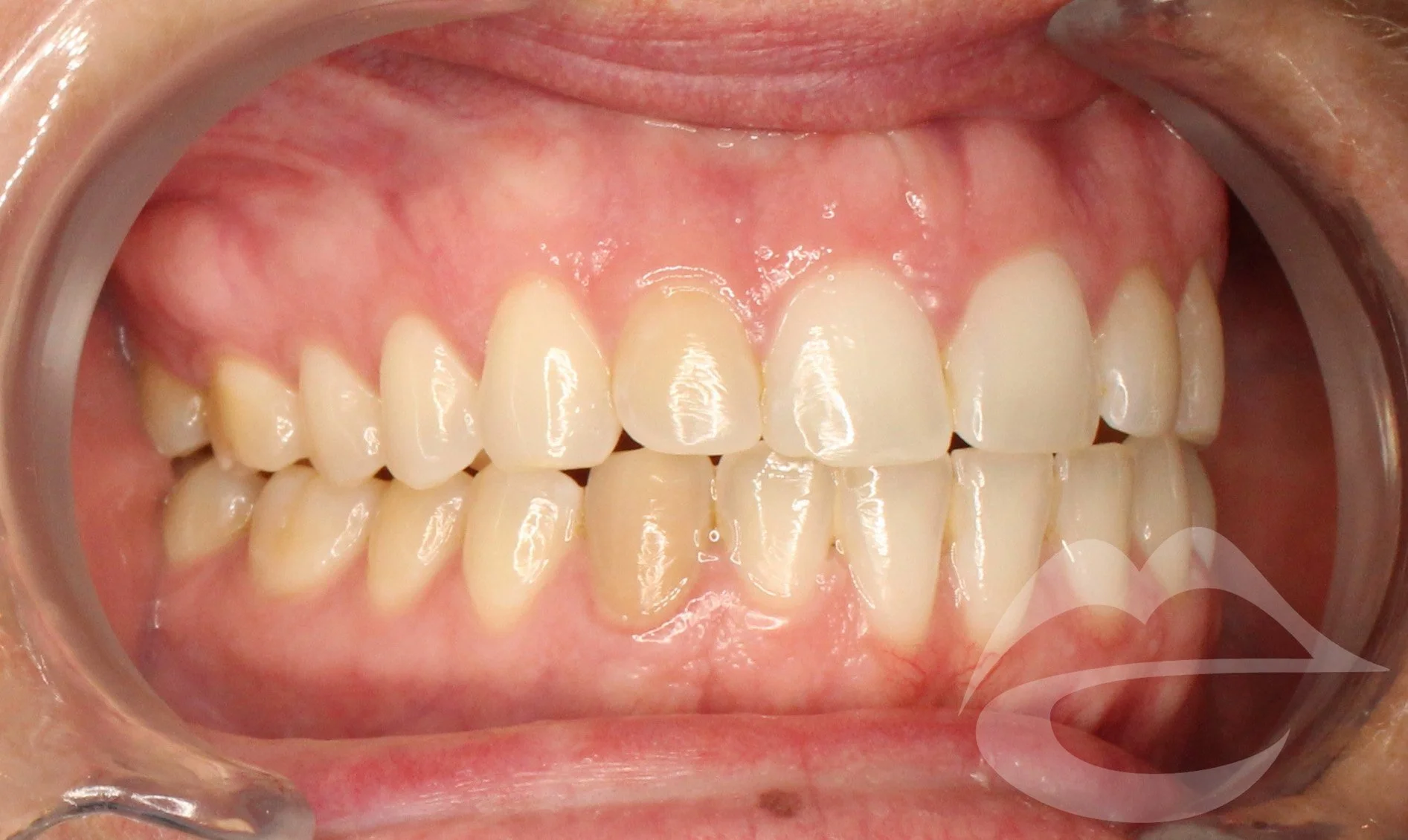
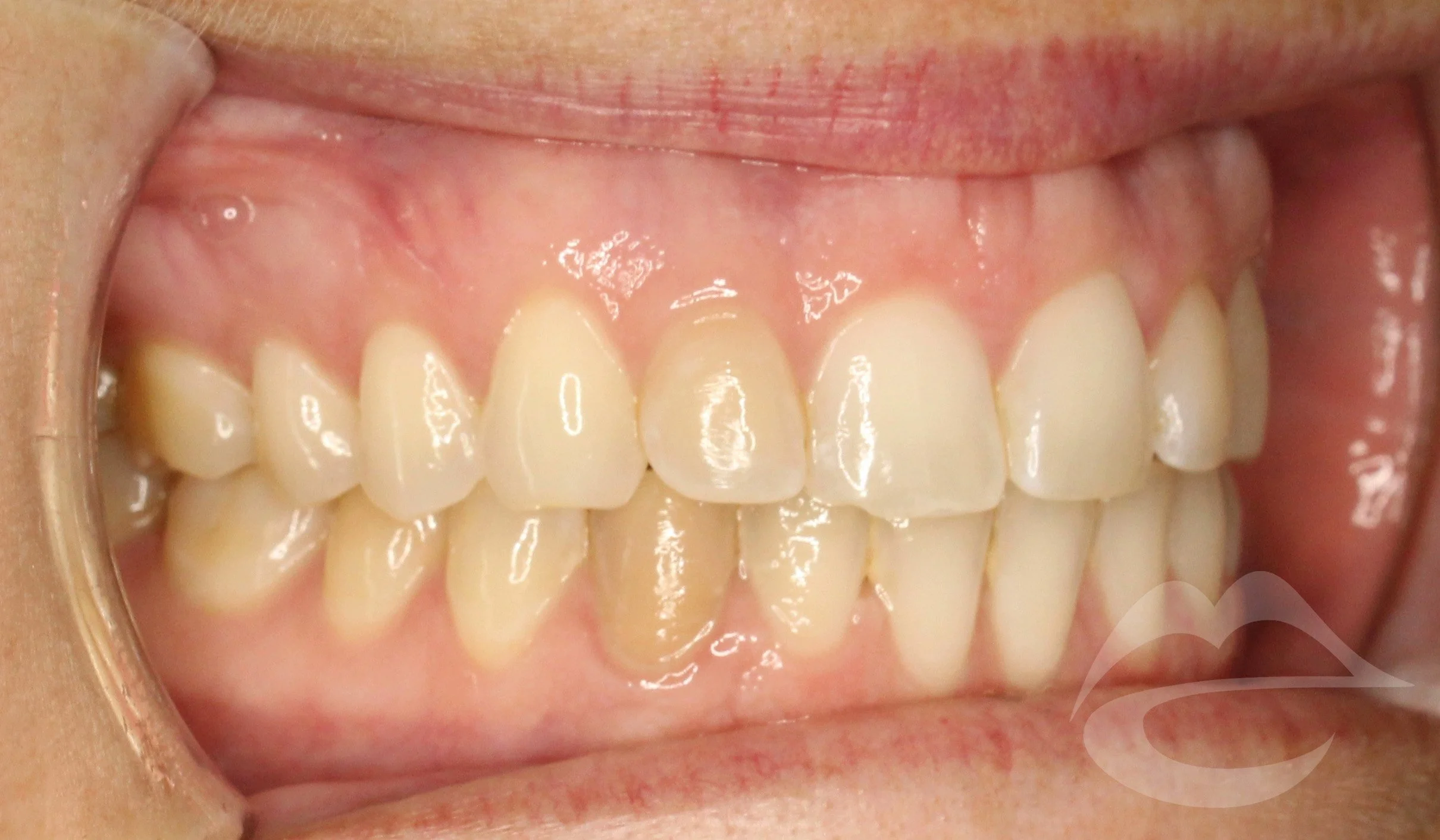
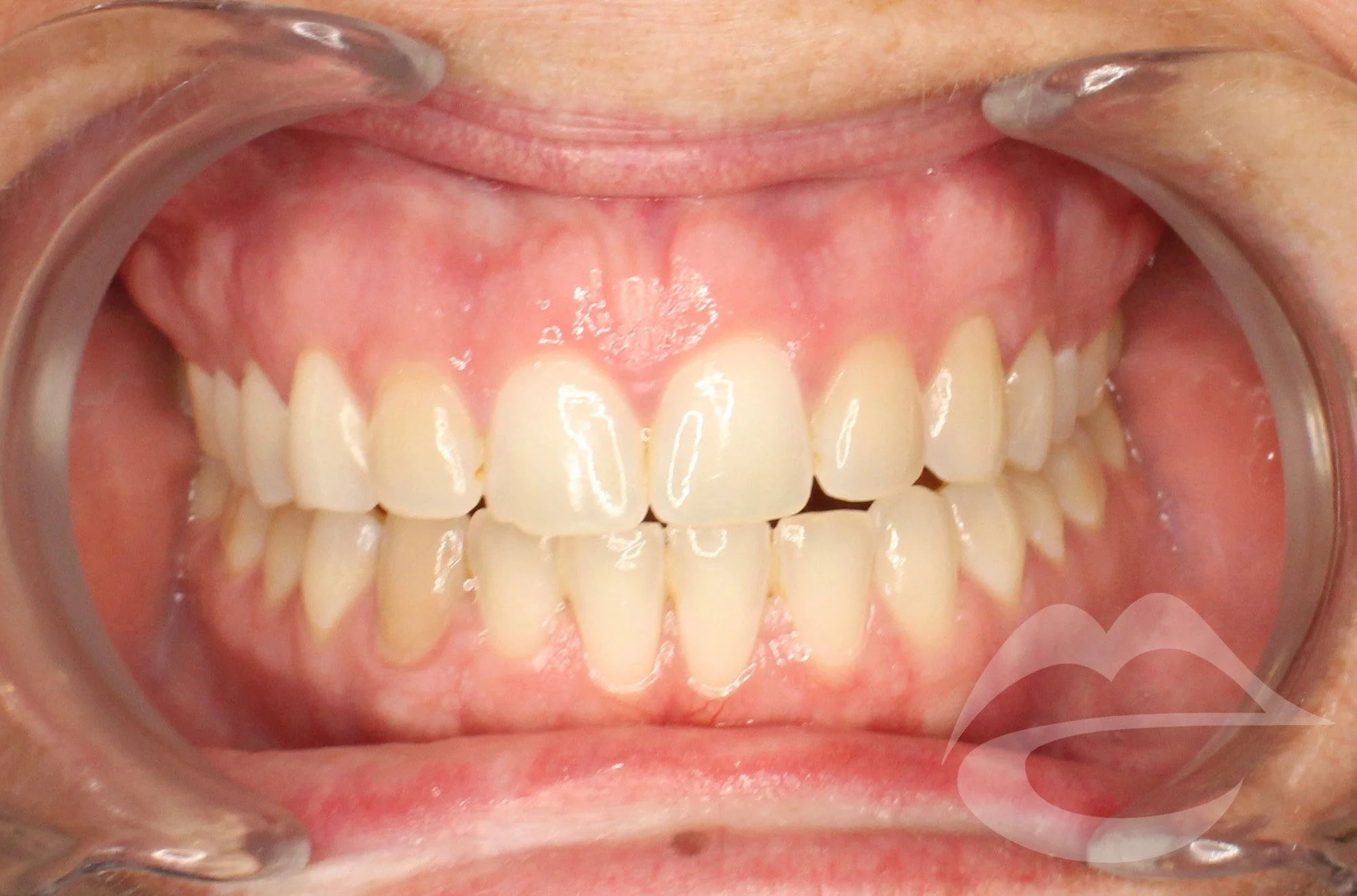
This adult client was referred by her ENT for airway support due to a history of snoring, dry mouth, sensitive teeth, and headaches. Although she had not been diagnosed with a sleep disorder requiring treatment, she had tried several strategies to improve her breathing and sleep, including Breathe Right® strips, elevating her head with pillows, nasal sprays, and mouth taping.
Throughout therapy, we focused on improving nasal breathing, tongue posture, and functional swallowing patterns. As her tongue learned to rest properly within the mouth and her swallowing pattern improved, we observed a positive change in her dental occlusion. Areas of open bite where the tongue had previously rested or pushed between the teeth became significantly improved. While changing the bite was not the primary goal of therapy, this case demonstrates how improving tongue posture and oral function can have a meaningful impact on the relationship between the tongue, teeth, and surrounding structures.
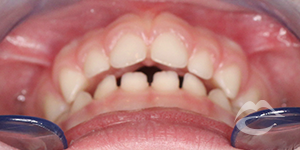
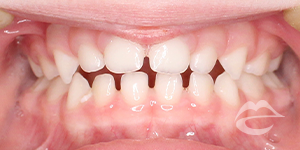
Lollipop Thumbstop Habit Elimination Program
Case Study 5 - Thumb Sucking/Hair Pulling
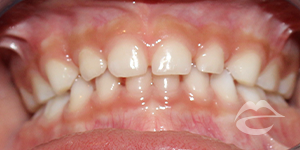
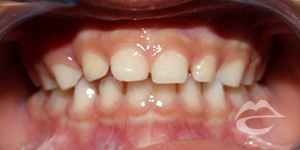
This 4-year-old girl had a thumb-sucking habit accompanied by a hair pulling habit. She was very successful in eliminating her oral habit on the first day, and continued the therapy program to ensure long-term habituation. She participated in the Lollipop ThumbStop Habit Elimination program by East Texas Orofacial Myology, which is proven to help children eliminate their noxious oral habits. With the thumb-sucking cessation, the secondary hair pulling habit was eliminated as well.
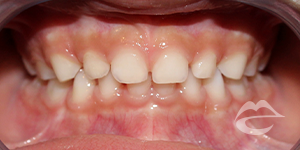
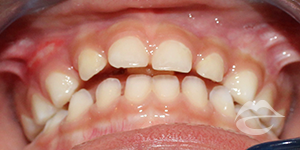
Lollipop Thumbstop Habit Elimination Program
Case Study 6- Finger Sucking
This 5-year-old participated in the Lollipop ThumbStop Habit Elimination program for her finger sucking habit and successfully eliminated her oral habit. After photos were taken six weeks from the beginning of her therapy.
•
•
•
•
• • • •
Need Help with Orofacial Myology Treatment?
At East Texas Orofacial Myology, we prioritize the overall health and happiness of our patients, big and small. You can get an in-person or telehealth appointment through our contact form or calling our office at 903-504-8586. Do you have questions about our practice? You can check out our FAQs and get the answers you need!