

Orofacial Myofunctional Therapy (OMT)
What Is Orofacial Myofunctional Therapy?
Orofacial myofunctional therapy (OMT) is the postural training of the tongue and facial muscles for orofacial myofunctional disorders (OMDs) and parafunctional or harmful habits. Certified Orofacial Myologists provide information, education, resources, treatment, and support for families and patients seeking help for orofacial myofunctional disorders. Therapy can improve a patient's speech, ability to eat and ability to sleep well. It can identify underlying orofacial and airway related dysfunction that may significantly impact breathing, sleep, and overall health.
What is an Orofacial Myofunctional Disorder?
Orofacial myofunctional disorders (OMDs) are habits or conditions that interfere with the proper development and function of the orofacial muscles, such as the cheeks, jaw, lips, and tongue. When the orofacial muscles function incorrectly due to harmful habits or conditions, it can lead to improper atypical development causing a variety of problems. While some symptoms of OMDs can be obvious, many people go their whole life without knowing what’s wrong or how to fix it!
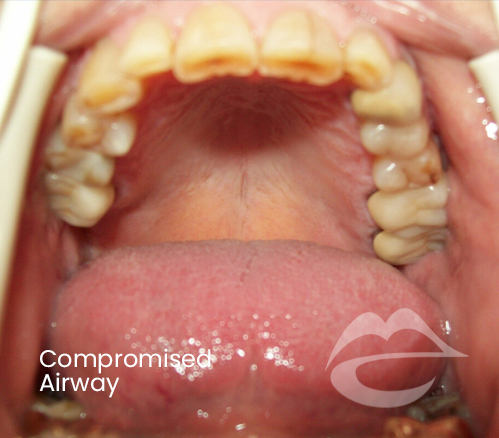
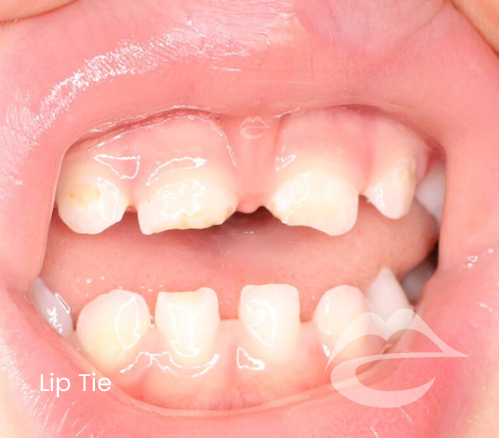
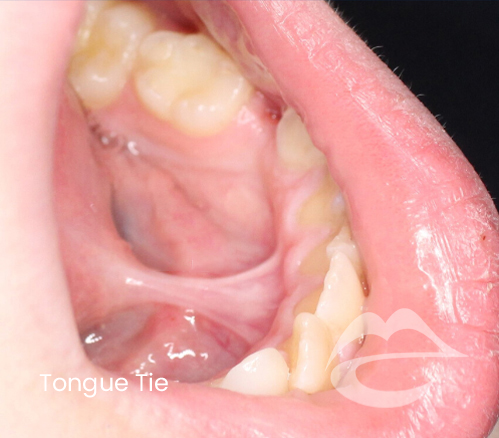
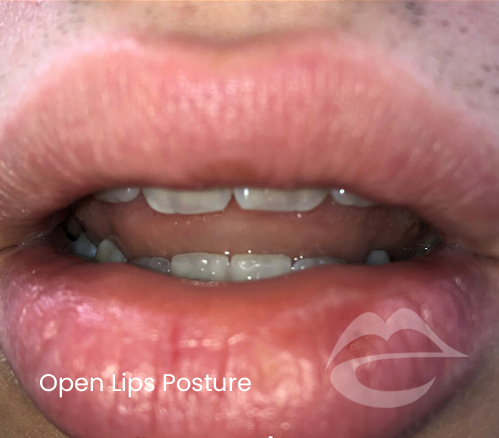
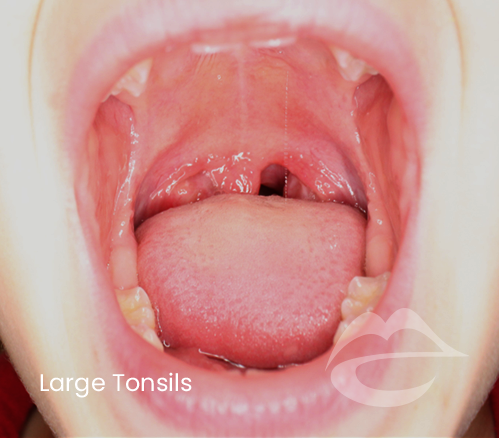
Most commonly seen OMDs are compromised airways, followed by oral habits and tethered oral tissues.
Client Photo Gallery
What Can I Expect From Orofacial Myology Therapy?
Orofacial myofunctional therapy (OMT) usually consists of a team approach that may include general dentists, orthodontists, pedodontists, oral surgeons, periodontists, allergists, ear, nose & throat specialists, pediatricians, sleep medicine specialists, speech-language pathologists, and most importantly – the parent or caregiver.
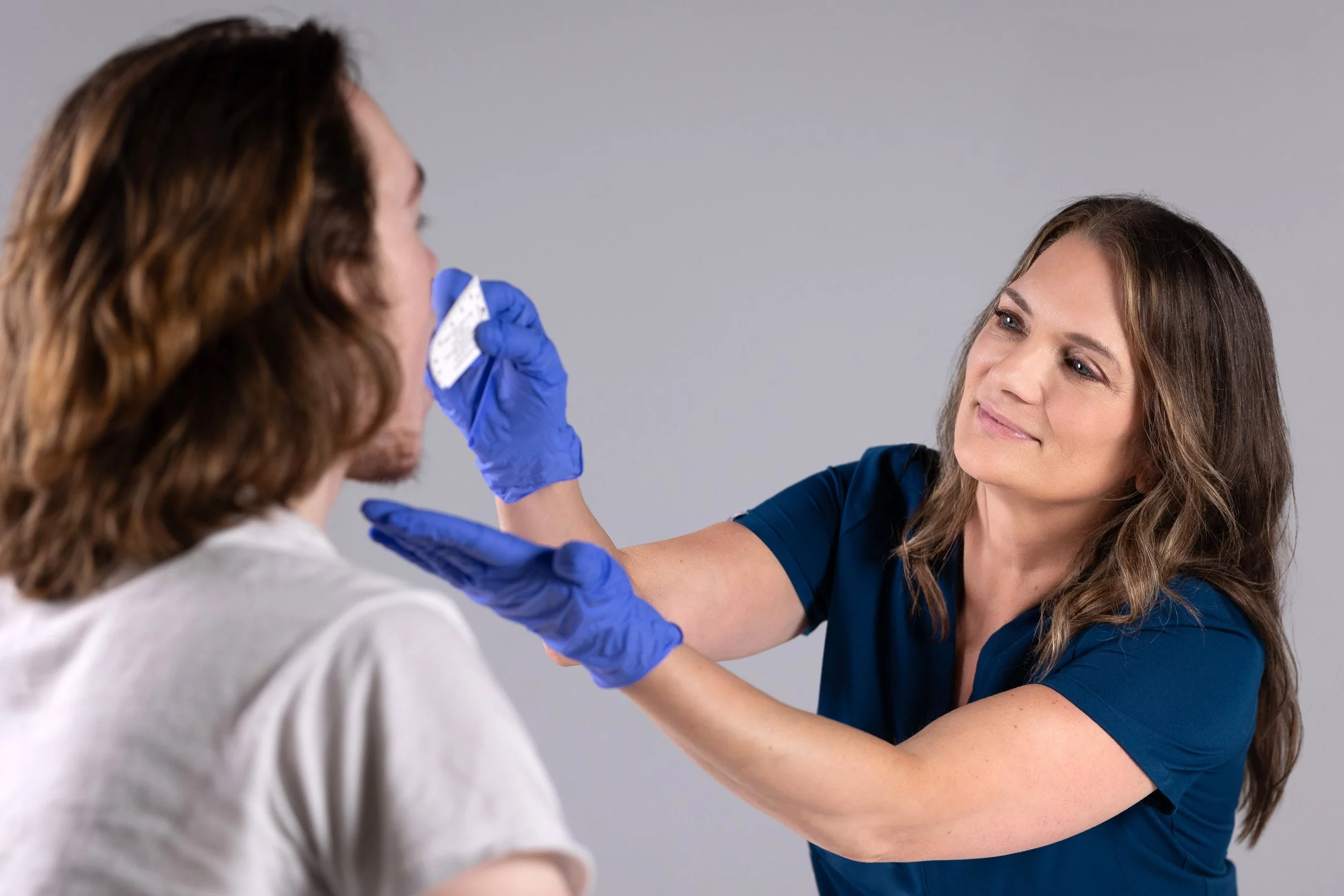
Therapy is available and encouraged for both children and adults. We provide expert evaluations, tongue & lip tie assessments, and appropriate referrals for treatment when necessary.
Orofacial Myology Therapy Steps:

“How do I know if I need myofunctional therapy?”
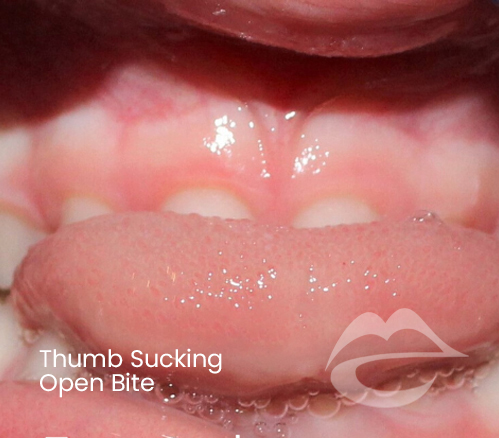
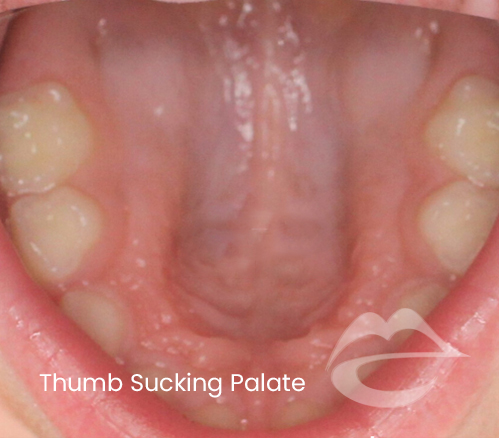
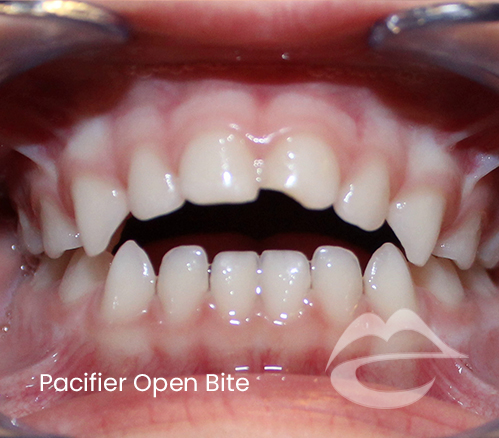
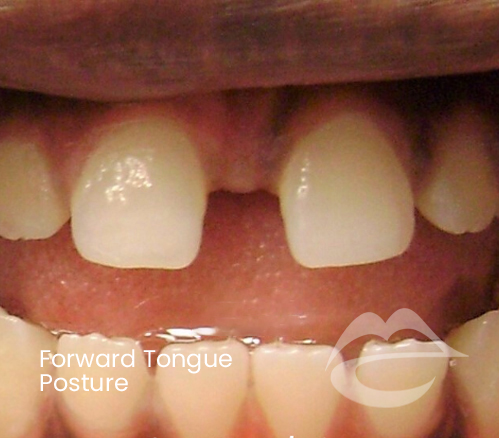
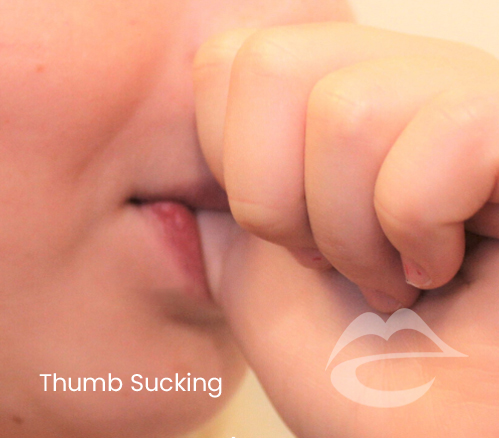
Myofunctional therapy aims to promote a healthy distance between the upper and lower teeth. Tongue thrust (incorrect tongue resting posture), thumb/finger sucking, prolonged pacifier use, open mouth rest posture, mouth breathing, drooling, and a lack of muscle tone in face and lips are all indicators of the need for myofunctional therapy. Our goal is to resolve harmful habits, promote proper development and restore proper tongue and lip resting postures.
“What does therapy look like? How long does it take?”
Orofacial myofunctional therapy (OMT) includes sessions consisting of photos, measurements, and exercises. Instructions are given for daily exercises to be performed at home. Depending on each individual patient, therapy may consist of several phases and success could be achieved in a short time period or a longer period of time.
“Does patient/parent participation affect therapy?”
Patient and parent participation greatly affects therapy results. Both the patient and parent/guardian must understand that progress and results can be delayed if there is a lack of commitment or daily participation. For most myofunctional issues, establishing an open airway first is crucial for proper results, which takes consistency and dedication. Treatment may include referral to specialists prior to treatment.
•
•
•
•
• • • •
Need Help with Orofacial Myology Treatment?
At East Texas Orofacial Myology, we prioritize the overall health and happiness of our patients, big and small. You can get an in-person or telehealth appointment through our contact form or calling our office at 903-504-8586. Do you have questions about our practice? You can check out our FAQs and get the answers you need!